Every high school athlete has heard some version of “put in the work.” Fewer have heard the other half: the work only pays off if the body gets a real chance to recover from it. Here’s what the research actually says about recovery, sleep, and performance, and why the recovery half of training tends to get skipped first.
Training tears down. Recovery builds up.
Exercise is, physiologically speaking, a controlled stress. Muscles develop small amounts of damage during hard training, and the body repairs and rebuilds that tissue in the hours and days afterward, which is what actually makes an athlete stronger, faster, or more resilient. Skip the repair window and the body never gets to bank the gain.
For high schoolers, that math is harder than it looks on paper. Between practice, games, homework, and everything else that fills a teenager’s week, recovery is often the first thing to get squeezed out, even though it’s the part of training doing a lot of the actual work.
Sleep is the biggest recovery lever, and the one most teams never coach
Of everything that goes into recovery, sleep carries an outsized share of the load. Research focused specifically on teenage athletes has linked better sleep quality and duration to improved performance, faster reaction time, and lower injury risk.
The flip side has real consequences. Insufficient sleep has been associated with a greater risk of injury in adolescent athletes, and separately, broader research links adolescent sleep to academic performance, so the stakes extend well past the field or the court.
Despite all that, sleep rarely gets coached the way conditioning or nutrition does. There’s no drill for it, so it’s easy for it to quietly slide.
Where cold and warm water fit in
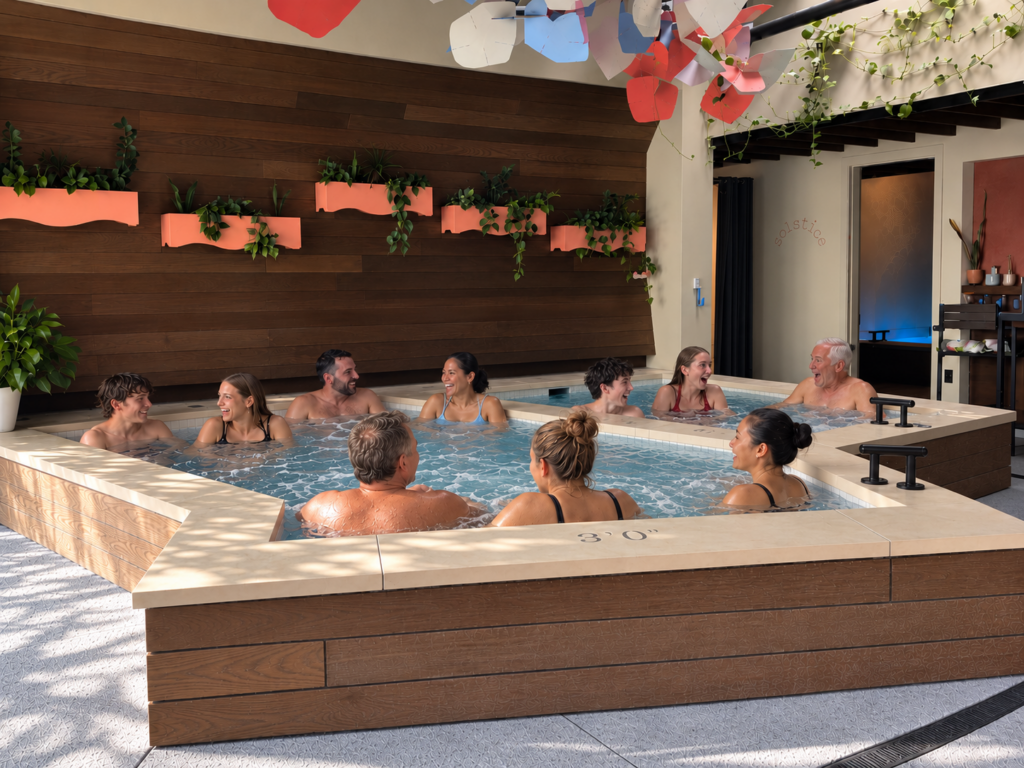
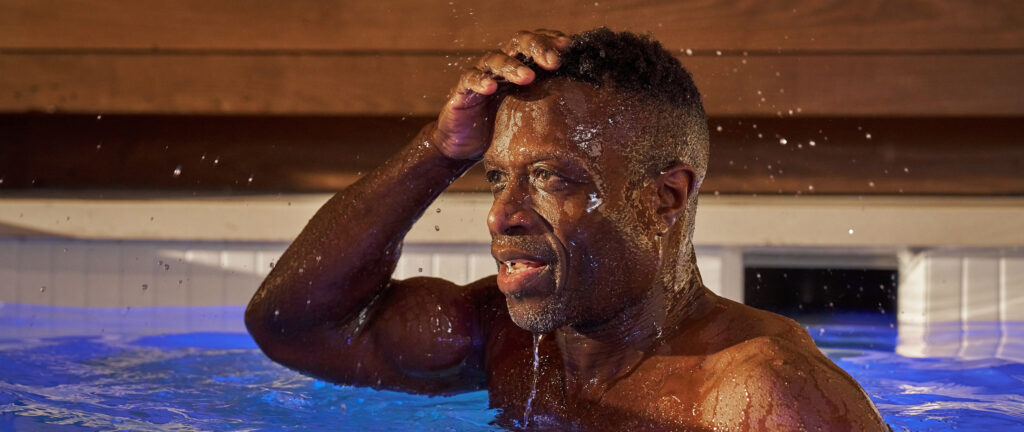
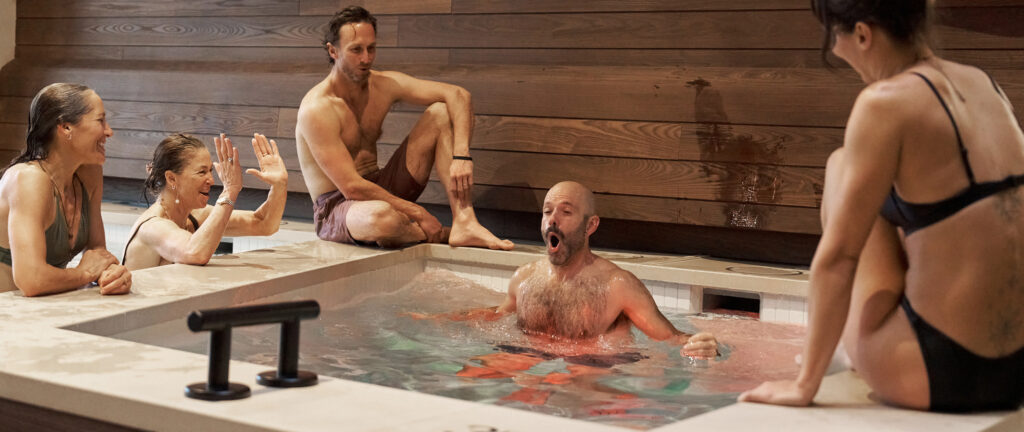
One of the more direct recovery levers is also Flux’s actual method: cold water. For young athletes specifically, research on cold-water immersion in high-school-aged soccer players found it reduced perceived leg soreness and fatigue after a run of matches played in close succession, exactly the kind of stretch a busy high school season creates. It’s not a wellness trend, it’s one of the more studied recovery tools available to any athlete.
Warm water works differently, and it’s just as evidence-based. Research on warm-water bathing has found it can help people fall asleep faster and improve sleep efficiency, largely through its effect on the body’s temperature regulation: warming the body, then allowing it to cool afterward, mimics the natural temperature drop that helps trigger sleep onset.
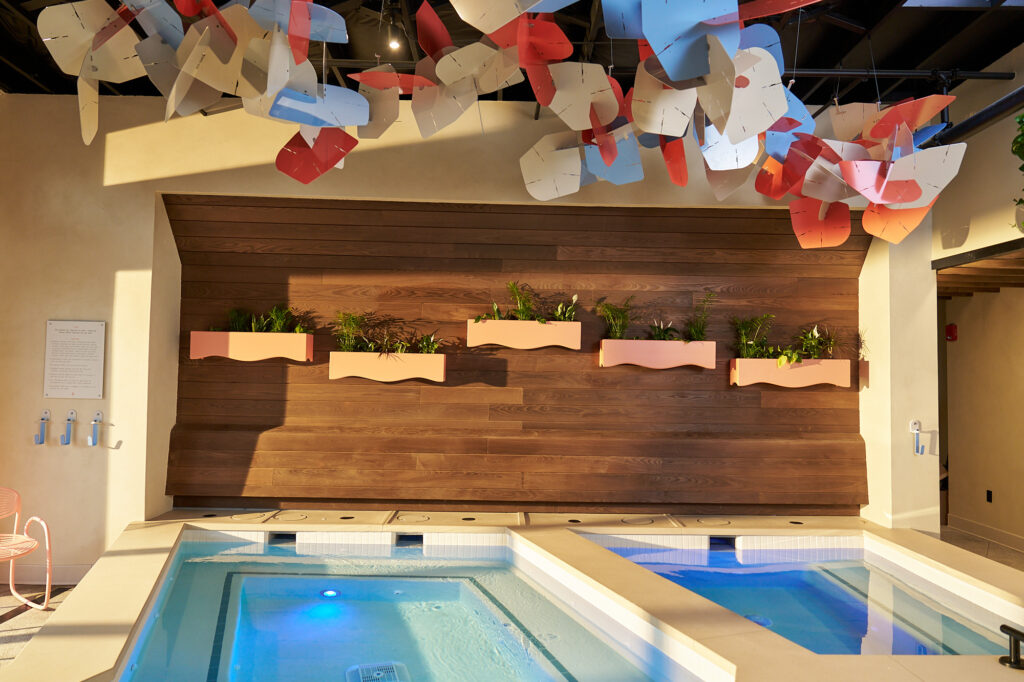
Warm water to unwind. Cold to reset and refocus. Space to breathe, recover, and reconnect. That’s contrast therapy, hot and cold, and it’s the whole idea behind a Flux visit.
The part that’s harder to measure
There’s a second piece of recovery that doesn’t show up in a study but matters just as much for teenagers specifically: time without a screen, a drill, or an assignment attached to it. Between school and sport, high schoolers are almost never off the clock. A recovery ritual that also happens to be screen-free, low-pressure, and theirs, rather than one more solitary obligation, does something for well-being that’s harder to cite but no less real.
The takeaway
None of this promises a better game, a better night’s sleep, or a better mood on its own. What the research supports is more modest and more useful: recovery, and sleep in particular, is part of the training an athlete is already doing, whether or not anyone’s coaching it. Giving that part of training an actual place on the calendar, the same way a film study has one, is what a consistent recovery ritual is for.
Contrast and warm-water therapy support general wellness and recovery. They are not a substitute for medical care, sleep treatment, or a physician’s guidance.
Join the Conversation
Is your athlete making recovery part of their training? Tag us on social @fluxloungebend and use #Recovery #SleepScience #HighSchoolAthletes #WellnessJourney #BendOregon #FluxLounge.
Give your athlete’s recovery a standing place on the calendar. A Flow membership means unlimited visits, plus a guest pass, so recovery isn’t rationed to a handful of sessions a month. Explore Flow memberships →